Tropical Flowers Pattern Textures
Transforming a flat design into a vibrant visual experience often comes down to the subtle yet powerful use of texture and pattern. When you are looking for Tropical Flowers Pattern Textures, you aren’t just searching for decorative elements; you are seeking a way to inject energy, warmth, and organic beauty into your creative projects. These assets serve as more than mere background fills; they are foundational components that can elevate brand identity, enhance user engagement, and provide a distinct aesthetic edge in a crowded digital landscape. By integrating high-quality floral motifs, designers can create immersive environments that resonate emotionally with audiences, turning passive viewers into active participants.
The Power of Organic Visuals in Modern Design
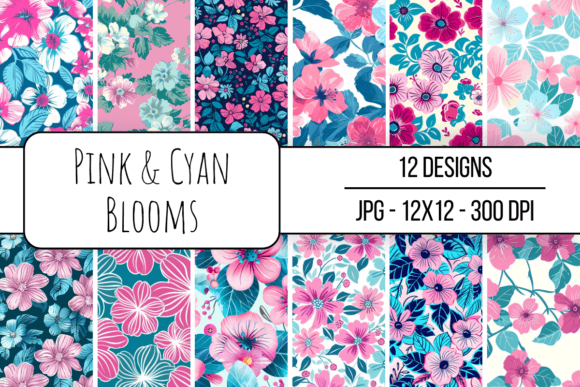
In an era dominated by minimalist UI design and stark corporate aesthetics, organic patterns offer a refreshing contrast. Tropical flowers bring a sense of luxury, adventure, and natural elegance to any composition. Whether you are working on a wellness brand’s packaging or a travel agency’s website, these textures help establish a specific mood. The lush greens, vivid pinks, and deep blues inherent in tropical flora create a strong color palette that draws the eye and guides the viewer’s attention through the content.
From a graphic design perspective, using pre-made Tropical Flowers Pattern Textures Ai Generated Textures ensures consistency and precision. AI-generated assets allow for seamless tiling and intricate detailing that might be time-consuming to replicate manually. This efficiency supports a streamlined design workflow, allowing creators to focus on layout, typography, and overall message rather than getting bogged down in tedious illustration tasks. The result is a polished, professional presentation that meets modern standards for visual quality.
Practical Applications Across Industries
The versatility of tropical floral patterns extends across numerous sectors. Here is how these assets can be effectively utilized:
- Branding and Logo Design: Use floral textures as secondary elements in logo marks or brand guidelines to add depth without compromising scalability.
- Social Media Graphics: Create eye-catching posts and stories that stand out in feeds. The vibrant colors increase click-through rates and encourage sharing.
- Web and UI Design: Apply subtle patterns to headers, footers, or card backgrounds to improve visual hierarchy and guide user interaction.
- Packaging Design: Enhance product boxes and labels with tactile-feeling visuals that suggest premium quality and natural ingredients.
- Editorial Design: Break up text-heavy articles with engaging dividers or full-page spreads that capture reader interest.
Selecting the Right Assets for Your Project
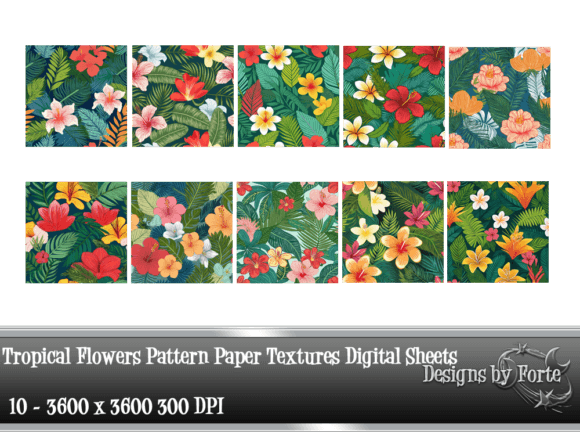
Not all patterns are created equal. When evaluating creative assets, it is crucial to consider resolution, format, and compatibility. The collection described includes 10 unique designs at 3600 x 3600 pixels and 300 DPI. This high resolution is essential for both print and digital applications. For print design, such as business cards or brochures, 300 DPI ensures crisp edges and rich color reproduction. For web use, these files can be downscaled without losing clarity, maintaining sharpness across various screen sizes.
Furthermore, the AI-generated nature of these textures means they often feature complex, non-repetitive details that mimic hand-drawn artistry. This adds a layer of authenticity and sophistication that generic clipart cannot achieve. When integrating these patterns, ensure they complement your existing brand identity. If your brand uses bold, sans-serif typography, pair it with a structured floral pattern. If your brand leans towards elegant serif fonts, choose softer, more delicate flower arrangements.
Enhancing User Experience Through Texture
In UX design, texture plays a psychological role. Soft, organic shapes like flowers can evoke feelings of calm, growth, and positivity. This is particularly effective for brands in health, beauty, and lifestyle sectors. By incorporating these elements, you subconsciously communicate care and attention to detail. However, balance is key. Overusing patterns can lead to visual clutter, distracting from the primary call-to-action or message. Use them strategically to frame content or highlight important sections, ensuring that readability remains paramount.
Additionally, consider the color harmony. Tropical palettes are naturally vibrant, so pair them with neutral tones—such as whites, creams, or soft grays—to let the flowers pop. This approach maintains a clean, modern look while still delivering the desired exotic flair. It also ensures accessibility, providing sufficient contrast for users with visual impairments.
Ultimately, the choice of visual elements defines the tone of your communication. Investing in high-quality, versatile resources like Tropical Flowers Pattern Textures allows designers to experiment with new styles while maintaining professional standards. These assets bridge the gap between artistic expression and functional design, enabling creators to produce work that is not only beautiful but also effective in achieving its intended goals. By thoughtfully integrating these textures, you contribute to a cohesive narrative that strengthens brand recognition and leaves a lasting impression on your audience.