Ornate Mandala Artwork: A Comprehensive Evaluation
In the realm of digital art and interior design, Ornate Mandala Artwork has emerged as a significant category for consumers seeking detailed, visually complex, and culturally resonant aesthetics. This specific type of artwork is characterized by its intricate patterns, symmetrical geometry, and often rich color palettes. For individuals researching high-quality digital assets for printing or design projects, understanding the technical specifications, aesthetic qualities, and practical applications of such files is essential. This article provides an objective evaluation of ornate mandala designs, specifically focusing on high-resolution digital downloads that offer immediate accessibility without physical shipping constraints.
Understanding Ornate Mandala Design
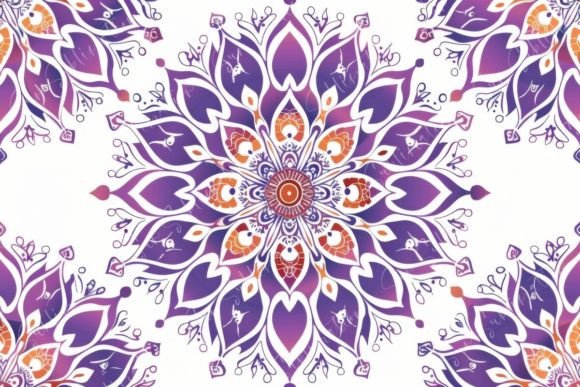
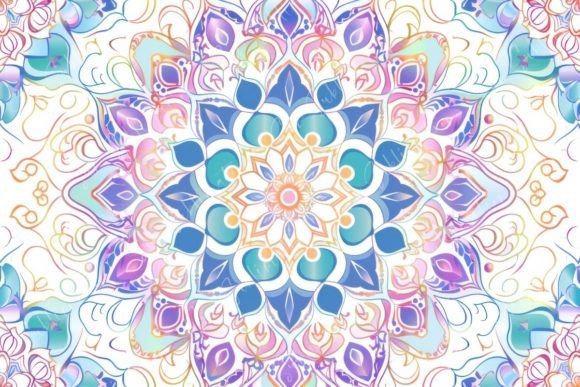
A mandala is a spiritual and ritual symbol in Hinduism and Buddhism, representing the universe. In contemporary decorative arts, the term has evolved to describe any circular design with intricate, repeating patterns radiating from a central point. Ornate Mandala Artwork takes this concept further by emphasizing complexity and detail. Unlike minimalist or abstract interpretations, ornate versions feature dense layering of motifs, fine lines, and elaborate textures.
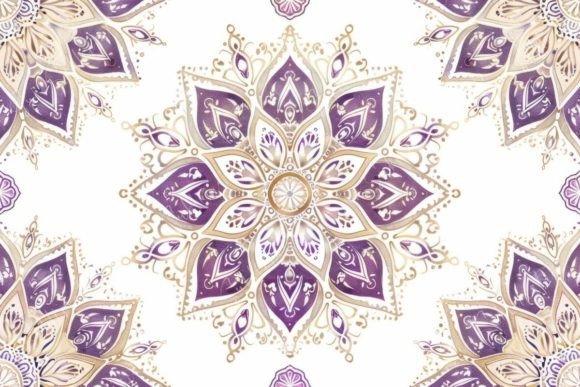
One prominent variation involves the use of purple and gold color schemes. Purple is often associated with royalty, wisdom, and spirituality, while gold adds a sense of luxury, warmth, and prestige. When combined in an intricate design, these colors create a striking visual contrast that can serve as a focal point in various environments. The "ornate" nature of the piece implies a high level of craftsmanship in the digital creation process, resulting in a file that retains clarity even when scaled up for large-format printing.
Technical Specifications and File Quality
For users intending to print or utilize this artwork in professional settings, the technical attributes of the digital file are paramount. High-quality digital art must meet specific criteria to ensure fidelity between the screen display and the final printed product.
Resolution and Dimensions
The standard expectation for high-end printable art is a resolution of 300 dots per inch (dpi). This density ensures that individual pixels are not visible to the naked eye, resulting in sharp, crisp lines and smooth gradients. A dimension of 4500 x 3000 pixels provides ample size for large prints, such as wall hangings, posters, or fabric transfers, without compromising quality. When evaluating a digital download, verifying these specifications is crucial to avoid pixelation issues common in lower-resolution stock images.
Format and Accessibility
JPEG format is widely supported across most image editing software, printers, and online platforms. It offers a balance between file size and image quality, making it practical for both web display and high-quality printing. However, users should be aware that JPEG is a lossy compression format. While modern algorithms minimize visible artifacts, those requiring absolute precision for color-critical work might prefer TIFF or PNG formats. Nevertheless, for general decorative purposes, a high-quality JPEG at 300 dpi is typically sufficient.
Immediate Digital Delivery
A key advantage of purchasing digital artwork over physical prints is the immediacy of access. Upon completion of the purchase, the buyer receives a zipped file containing the high-resolution image. This eliminates shipping delays, reduces environmental impact associated with logistics, and allows for instant iteration. Users can download the file multiple times if needed, ensuring they always have a backup of their chosen design.
Evaluating Use Cases and Applications
The versatility of ornate mandala artwork makes it suitable for a wide range of applications. Understanding where this medium fits best helps potential buyers determine if it aligns with their goals.
- Interior Decor: Large-scale prints of purple and gold mandalas can serve as statement pieces in living rooms, bedrooms, or meditation spaces. The intricate details draw the eye inward, promoting a sense of calm and focus.
- Textile and Fabric Design: Due to the seamless nature of many mandala patterns, they are excellent candidates for fabric printing. They can be used for curtains, upholstery, throw pillows, or custom clothing items.
- Stationery and Greeting Cards: Smaller crops of the larger 4500x3000 image can be utilized for high-end business cards, wedding invitations, or greeting cards, adding a touch of elegance and personalization.
- Digital Presentations: The high resolution allows the artwork to be used as backgrounds in PowerPoint presentations or website headers, ensuring it looks professional on both mobile devices and large monitors.
Considerations and Potential Tradeoffs
While ornate mandala artwork offers numerous benefits, there are important considerations regarding color accuracy and user expectations.
Color Variability Across Devices
One of the most significant challenges in digital art consumption is color management. As noted in standard disclaimers for digital art sales, colors viewed on a screen will vary from the actual colors on the printed product. Monitor calibration, ambient lighting, and hardware differences all influence how purple and gold appear digitally. Gold, in particular, can appear brassy, yellow, or metallic depending on the screen's gamma settings. Buyers should anticipate some degree of discrepancy and consider ordering a test print before committing to large-scale production.
Complexity vs. Simplicity
The "ornate" style is not universally appealing. Individuals who prefer minimalist, clean, or sparse design aesthetics may find dense mandala patterns overwhelming or cluttered. It is important to assess the surrounding environment. If the space already contains many patterns or bold colors, a highly detailed mandala might compete for attention rather than complement the room. Conversely, in neutral or monochromatic spaces, the intricate detail can provide necessary visual interest.
DIY vs. Professional Printing
Ownership of the digital file does not guarantee a perfect final product if the printing method is suboptimal. Home inkjet printers may struggle with the dynamic range required for deep purples and bright golds, potentially leading to muddy tones or banding. For best results, especially with large formats, using professional printing services with CMYK color profiles is recommended. Users must factor in the time and cost of sourcing appropriate printing materials.
Decision-Making Insights
To determine if Ornate Mandala Artwork is the right choice, consider the following questions:
- Do you need immediate access? If you require a design quickly for an event or project, the instant download capability is a major advantage over traditional art purchases.
- Is your budget flexible? Digital downloads are generally more affordable than commissioned physical art. However, remember to budget for high-quality printing supplies or services.
- Are you comfortable with DIY installation? Since no physical frame or canvas is provided, you are responsible for mounting, framing, or applying the print to your desired surface.
- Does the aesthetic match your vision? Review sample images carefully, keeping in mind the color variability disclaimer. Ensure the purple and gold palette complements your existing decor.
Conclusion
Ornate Mandala Artwork represents a compelling intersection of cultural symbolism, artistic complexity, and modern digital convenience. With high-resolution specifications like 4500 x 3000 pixels at 300 dpi, these files offer exceptional utility for diverse creative projects. While users must navigate the inherent challenges of digital color representation and self-printing, the benefits of immediate access, cost-effectiveness, and aesthetic versatility make it a strong option for many. By carefully evaluating technical requirements and intended applications, buyers can successfully integrate these intricate designs into their personal or professional spaces.